Ship-from-Store: turning 1,417 stores into fulfillment hubs
The problem
As the product manager for inventory, payments and fulfillment on Best Buy's digital channel, I tracked how inventory turnover flows through to earnings per share, and the numbers bothered me. Units sat in stores and warehouses, hidden from customers for good reasons: safety-stock floors, third-party fulfillment rules, clearance status. Each rule made sense on its own. Together they stranded inventory that online customers wanted to buy. Returned Open Box units shipped to one central warehouse and lost value every week they waited to be graded and resold.
What I saw
Customers can't buy what they can't see.
Every store was already a warehouse, paid for and close to customers. What was missing was the sourcing logic to make that inventory visible and sellable.
What I built
I led the Ship-from-Store pilot, starting with 50 underperforming stores, and then iterated on sourcing rules one SKU at a time:
- Third-party SKUs sitting as returns on store shelves: check on-hand store inventory first. Nearly all of it shipped within a week.
- Clearance SKUs: remove the safety-stock floors and sell down to the last unit. If one store can't pick it, the next store does.
- Items dropped from a single store's planogram: ship them out the back door instead of letting them sit.
- Open Box: enable it for Ship-from-Store and in-store pickup, so stores could sell returns directly.
The sourcing logic, which picks the fulfillment location by transit time and cost, is patented: U.S. Patent 10,636,079, Demand-Based Product Sourcing (2020).
The result
- Scaled from 400 to 1,417 stores in one year, all 1,050 Best Buy big-box stores plus 367 Best Buy Mobile stores, making the entire U.S. chain a fulfillment network.
- Best Buy's first-quarter fiscal 2015 results cited "ship-from-store and digital marketing capabilities to help drive a 29% increase" in comparable online sales. In the third quarter, comparable online sales rose 21.6% "due to substantially improved inventory availability made possible by the chain-wide rollout of our ship-from-store capability."
- Store pickup grew from under 15% of online sales when I started to 42% by the 2019 holiday quarter, as reported on Best Buy's earnings call, with the availability work in the next two cases building on this foundation.
- Open Box recovery went from under 40 cents on the dollar to over 90. In the same period, Best Buy named returns, replacements and damages among the drivers of its Renew Blue cost savings.
What I learned
The biggest opportunities live in the gaps between products and between teams. Stranded inventory wasn't a store problem or a digital problem; it sat between the two, waiting for logic.
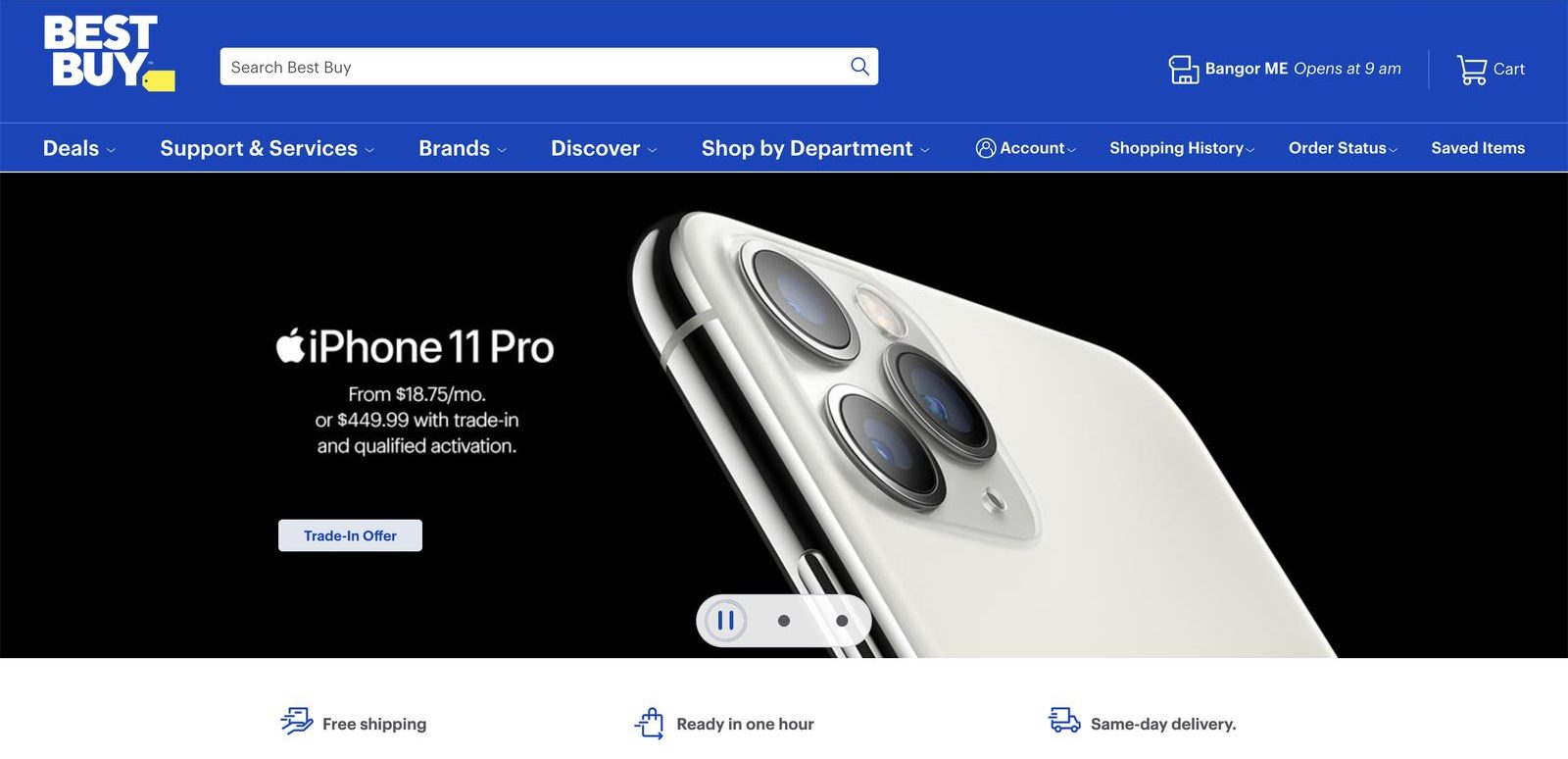
- Best Buy Q1 fiscal 2015 results (comparable online sales +29%; ship-from-store; returns, replacements and damages)
- Best Buy Q3 fiscal 2015 results (rollout from 400 to 1,400 stores; comparable online sales +21.6%)
- Best Buy fiscal 2015 Form 10-K (1,050 Best Buy stores, 367 Best Buy Mobile stores)
- Best Buy Q4 fiscal 2020 earnings call (store pickup 42% of online sales)
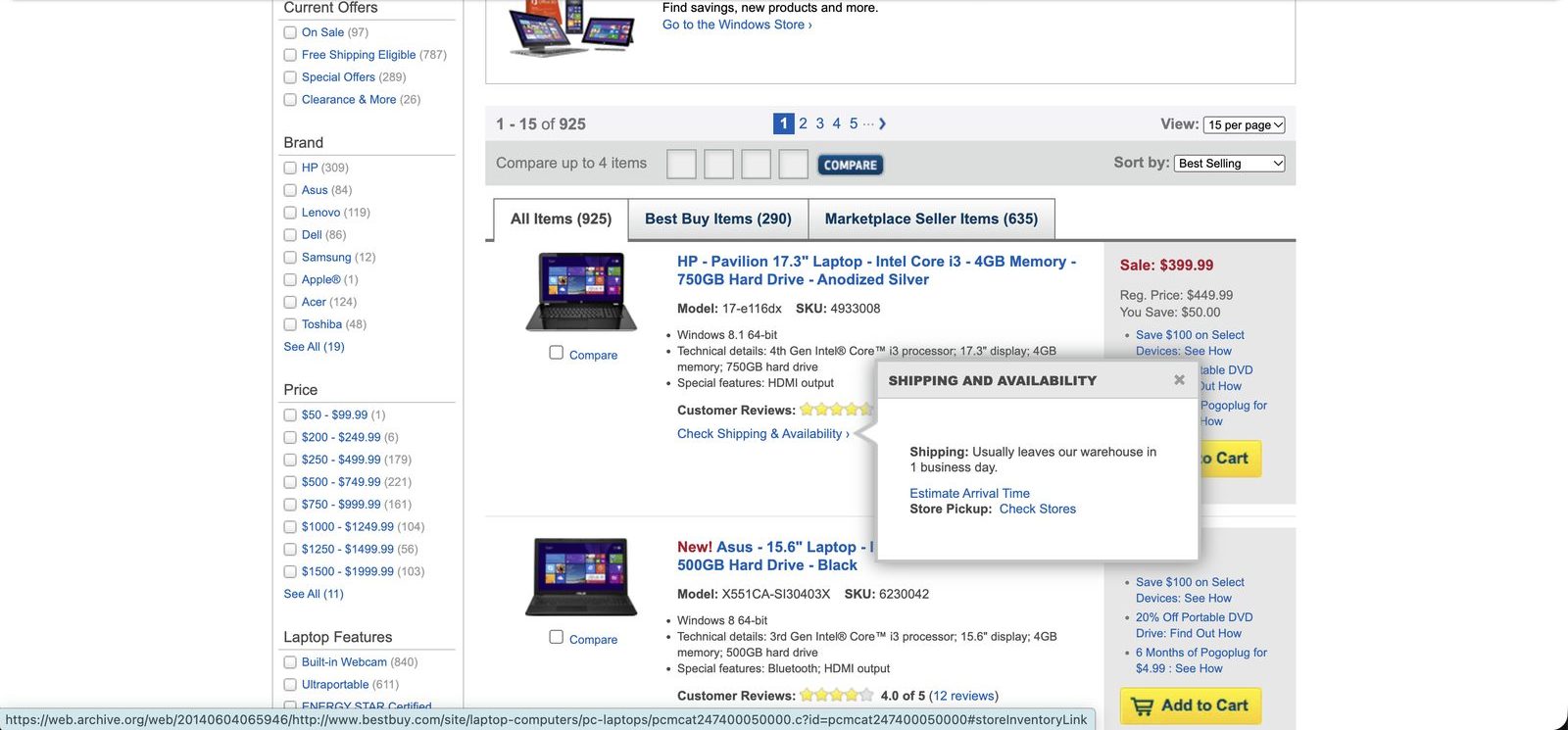
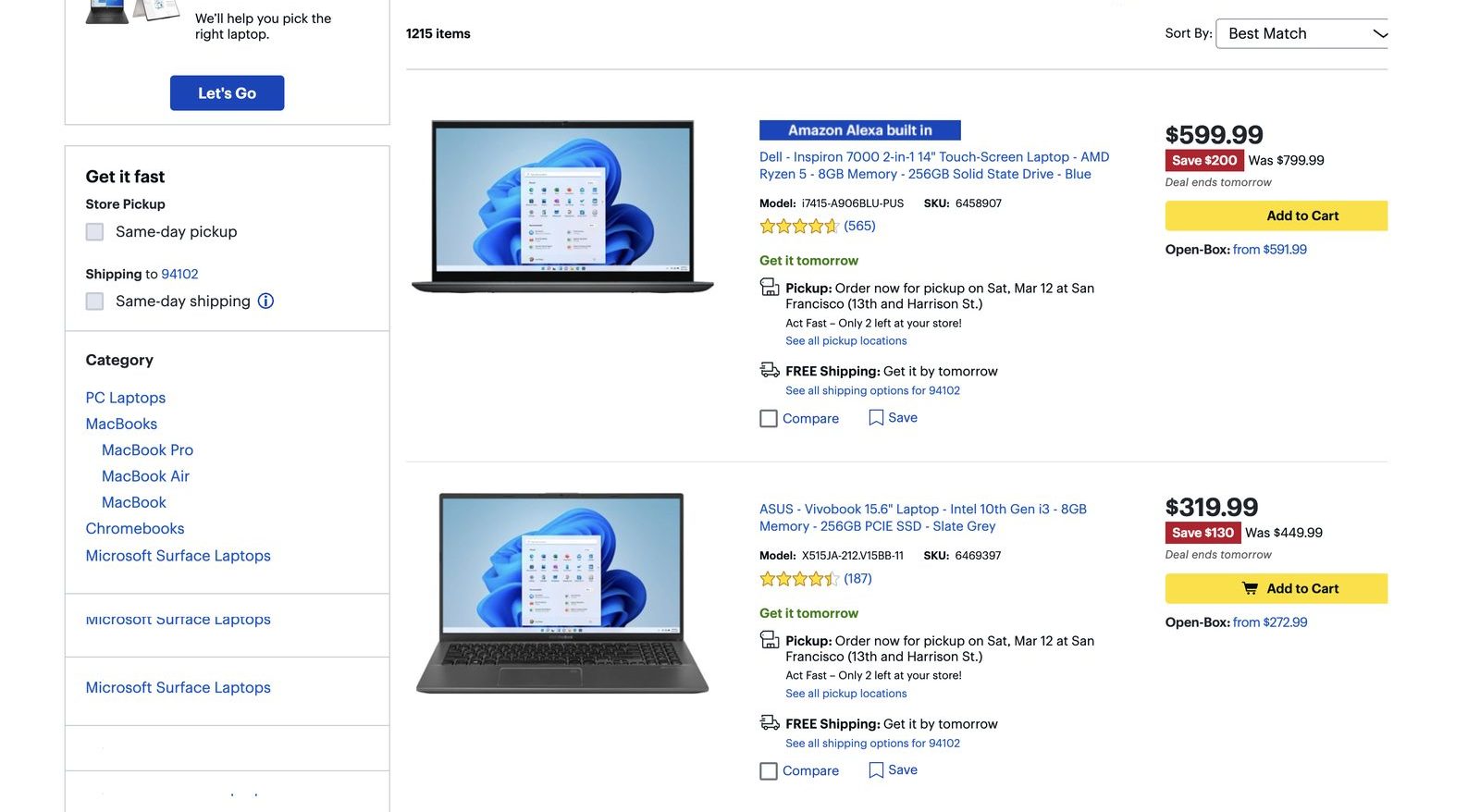
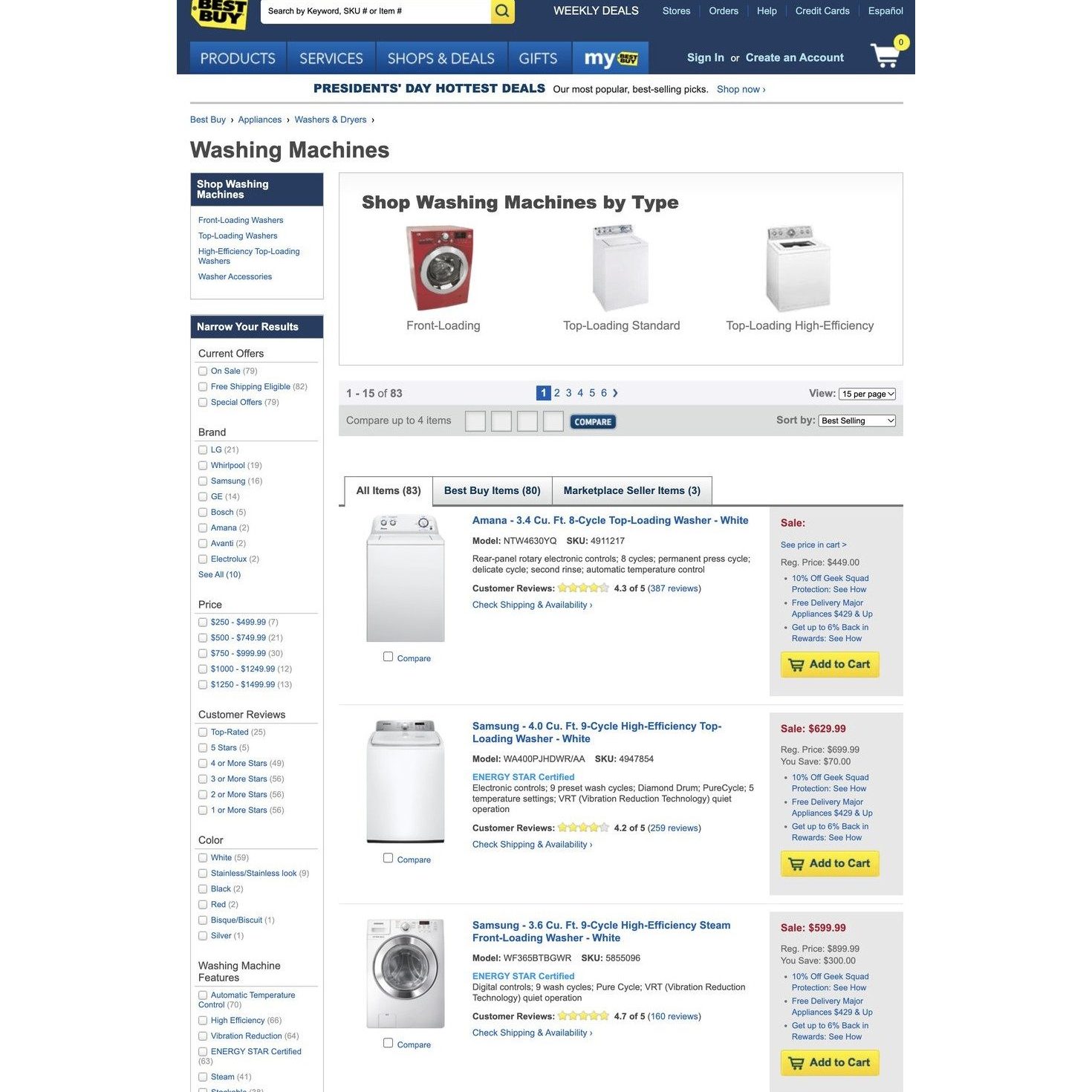
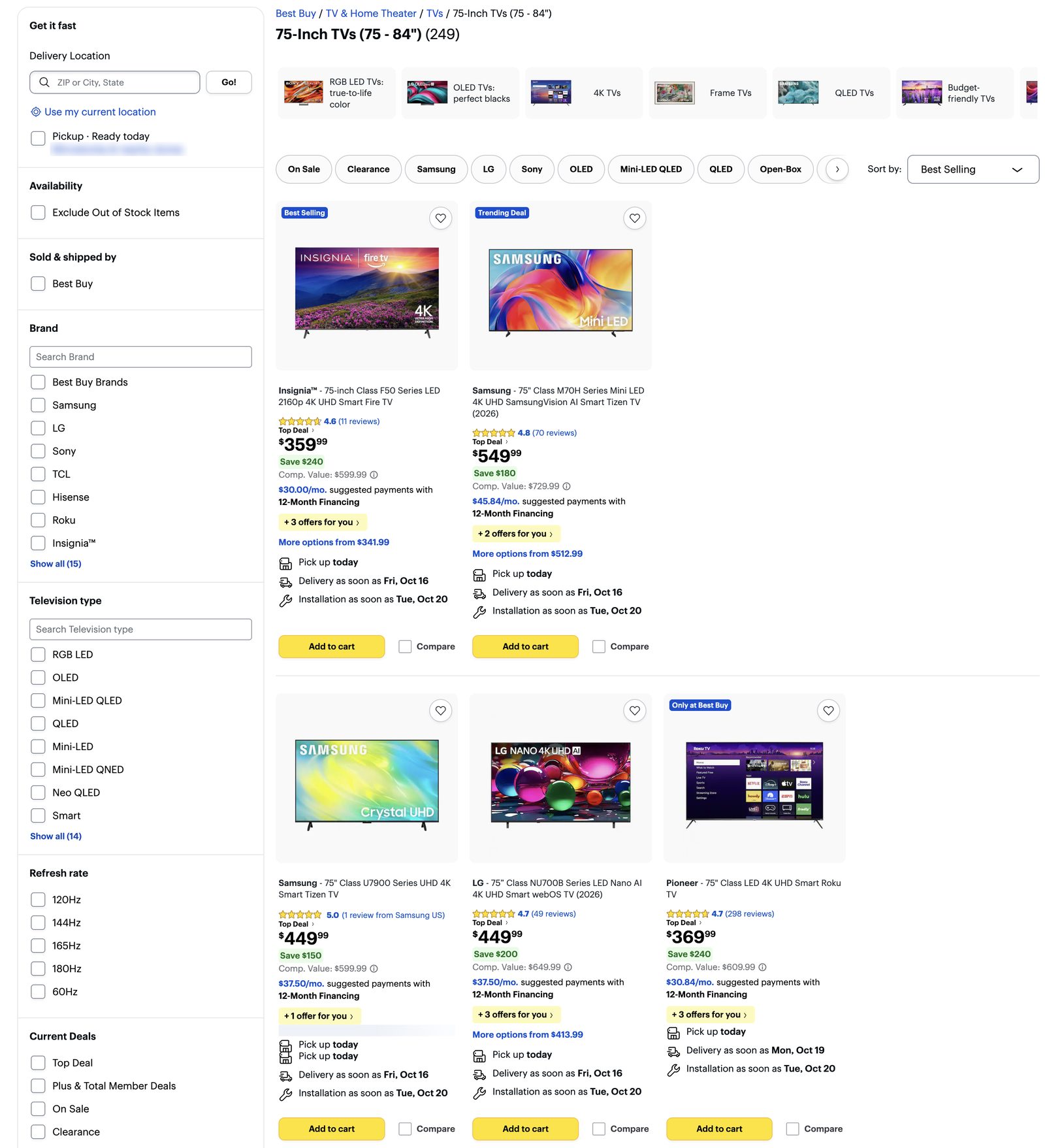
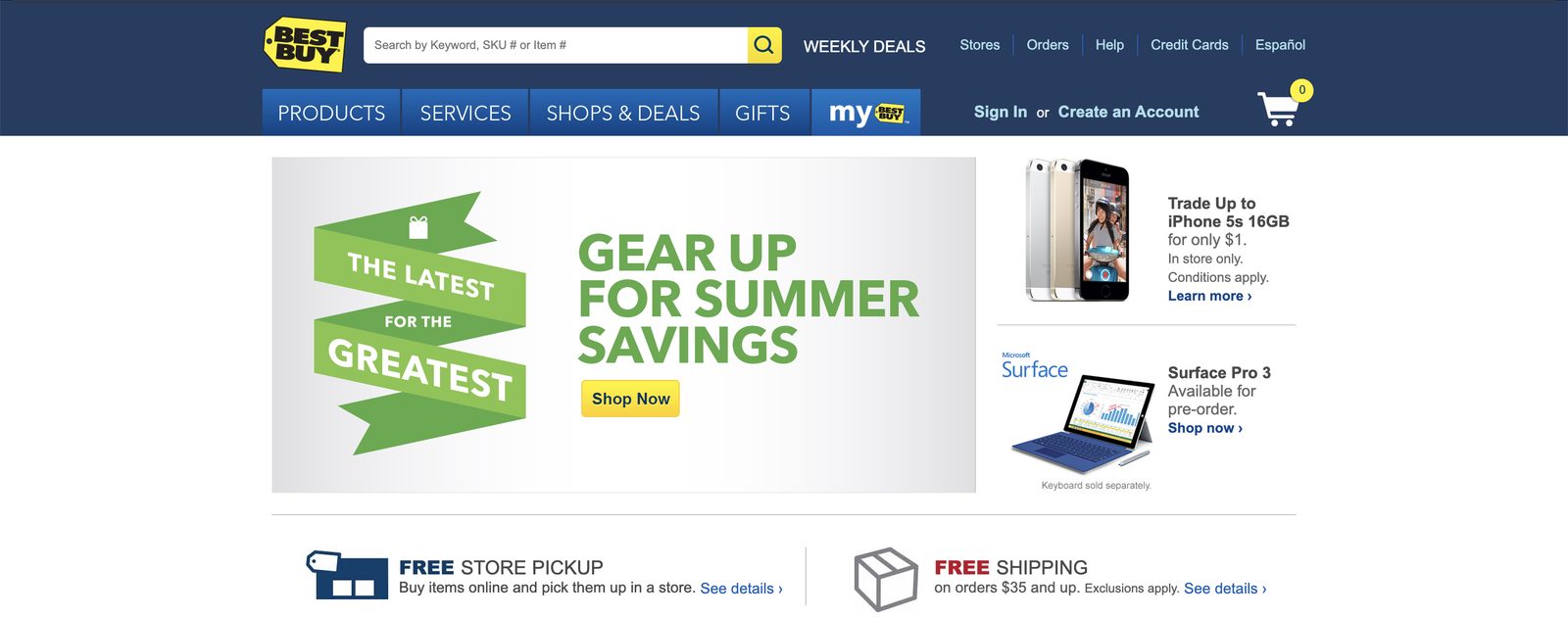
- Screenshots via the Internet Archive Wayback Machine